The sea here turns a particular shade of blue in June — not the grey-green of the Atlantic or the murky depth of somewhere colder. It's clear enough that you can read the bottom from a boat. That clarity is Cyprus's biggest underwater advantage, and if you've been swimming here for years without a mask on, you've been missing half the island.
Here's where to go, what to look for, and why putting your face in the water is better for you than you might think.
Why snorkelling is worth doing regularly
Before the beaches, a quick word on the physical side — because snorkelling isn't just a holiday activity. It's a genuinely solid workout disguised as leisure.
Snorkelling engages the quads, hamstrings, calves, core, and shoulders simultaneously. It's a full-body effort even when it doesn't feel like one. Most people burn between 250 and 300 calories per hour at a relaxed pace — push harder, dive down, swim against a current, and that number climbs toward 400–500.
The breathing matters too. The controlled rhythm through a snorkel tube mirrors techniques used in meditation. It calms the nervous system in a way that dry-land cardio doesn't, which is partly why people come out of the water feeling better than when they went in.
It's also low-impact in a way that matters in summer. Two hours with fins on and your knees won't know about it the next morning. That makes it one of the more sustainable ways to stay active through the hottest months on the island.
The best snorkelling beaches in Cyprus
Cape Greco and the east coast — the main event
The southeastern tip of the island is Cyprus's snorkelling hotspot. No other stretch of coastline matches it for underwater variety: gin-clear rocky coves, an underwater sculpture museum, and the best conditions for encountering sea turtles in the Mediterranean. Visibility on a calm day runs 20 to 30 metres. The rocky seabed creates structure for fish, which means there's always something to look at.
Green Bay, Protaras — the turtle spot
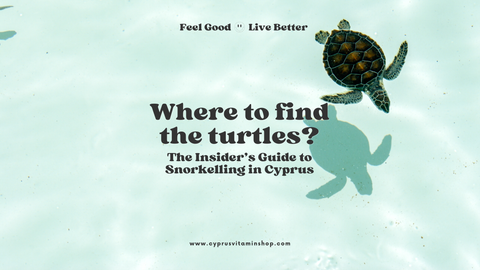
The seagrass beds here draw green sea turtles reliably, and the bay is shore-access — no boat needed. Beginners and children can see turtles here as easily as experienced snorkellers. Go before 8am if you can. By 10am in summer the bay is busy. At 7:30, it's yours.
Fig Tree Bay, Protaras — the beginner-friendly one
Calm, shallow, and well-organised. The reefs sit just metres from shore, which makes it one of the most accessible spots on the island for people who are new to snorkelling or bringing kids. Expect colourful fish, small octopuses, and the occasional starfish. The facilities are good — sunbeds, cafés, gear rental all available — which means you can make a full day of it without carrying everything from home.
Konnos Bay — the reliable one
Tucked between Protaras and Cape Greco, Konnos is sheltered enough to be usable on days when the open sea is choppy. The northern end has the best snorkelling — rocky outcrops, good fish life, and usually a bit quieter than the main stretch. Visibility regularly hits 20 metres. Go early morning for the calmest water and the clearest light.
Nissi Beach, Ayia Napa — the busiest, but worth it
The shallow shoal connecting the beach to the small offshore island creates a natural snorkelling corridor. Swim out towards Nissi Island and you'll find rocks teeming with fish and the occasional octopus. Water clarity here is consistently good — often exceeding 10 metres visibility. It gets crowded in peak season, so this is another early-morning job if you want the water to yourself.
MUSAN, Ayia Napa — the unusual one
The Museum of Underwater Sculpture at Katsarka Beach opened in 2021 and now holds more than 90 submerged statues at varying depths. The marine life attracted to the structures is genuinely interesting — concrete creates the same kind of habitat as natural rock, and fish exploit it accordingly. Wrasse, bream, and octopus are common around the installations. Worth visiting once for something different.
Coral Bay, Paphos — the west coast option
A horseshoe-shaped cove with consistently calm water and visibility that often hits 20 metres. The reef here supports colourful fish, sea urchins, and starfish in numbers that surprise people who only think of the east coast for snorkelling. Good facilities, family-friendly, and far less hectic than the Ayia Napa strip.
Mackenzie Beach, Larnaca — the accessible one
If you're based in Larnaca and don't want to drive across the island, Mackenzie is the answer. Easy shoreline entry, shallow water, and reef close enough to the shore that you don't need to swim far to find life. The protected marine area helps maintain what's there. It won't match Green Bay for sheer spectacle, but for a straightforward hour in the water it does the job.
Ladies' Mile, Limassol — the local's default
A long, low-key stretch that most tourists drive past on the way to somewhere else. Calm, protected bay, easy access, and the kind of reef that rewards slow exploration rather than a single headline moment. Go early or late, avoid the midday crowd, and spend time around the rocky sections where fish concentrate. Gear rental is available nearby if you haven't brought your own.
Governor's Beach, Limassol — the distinctive one
The white chalky cliffs make this look unlike anywhere else on the island. Snorkelling below the rocks turns up colourful fish, corals, and occasional sea turtles. Less talked about for snorkelling than the eastern bays, but a solid option if you're based on the south coast and want something with character.
Blue Lagoon, Akamas — the commitment
Most people reach it by boat from Latchi — road access requires a serious 4WD and a tolerance for a long dirt track. The water colour alone justifies the trip. Rocky entry, exceptional clarity, and the kind of marine life you find when an area isn't heavily fished or visited. If you're doing a boat trip along the Akamas coast, build this in.
Where to see the turtles
Both green turtles and loggerhead turtles are present in Cypriot waters year-round, but your chances of an encounter peak in summer. For in-water sightings, Green Bay in Protaras is the standout — the seagrass beds draw them reliably and the conditions are calm enough to observe them properly. Stay horizontal, don't chase, and give them room.
For nesting activity, there's one answer: Lara Beach on the Akamas Peninsula. Loggerhead nesting peaks June to July, with females coming ashore at night after around 22:00. Hatchlings begin emerging August through September — tiny five-centimetre animals making the sprint to the sea, guided by the brightness of open water on the horizon.
The road in is rough — 4WD strongly recommended. No facilities on the beach at all. Night access is banned from June through August, and nest markers must not be disturbed. During nesting season, the beach is roped off in sections. Treat it accordingly - be respectful of the environment.
Practical notes
The sea is warmest July to October, 27–29°C at peak, so no wetsuit needed. Visibility is clearest early morning before boat traffic stirs up sediment. A basic mask and fins covers every spot listed above. Only the deeper Cape Greco routes benefit from a full dry-top setup.
Two hours with fins on puts real sustained demand on the legs. Magnesium is worth knowing about for muscle recovery from that kind of low-grade exertion — it absorbs well in glycinate form and doesn't have the digestive side effects that some other forms do. Beyond that, the salt, the sun, and the movement do most of the work themselves.
The sea here is exceptional. Use it.